


Best Ways to Spot Fake Designer Bags in 2026
Table of Contents
- Why Spotting Fake Designer Bags Is Harder Than Ever
- Common Signs of Counterfeit Luxury Goods: What to Check First
- How to Spot Fake Designer Bags by Examining Hardware and Stitching
- How to Check Designer Bag Serial Numbers and Date Codes
- Packaging, Dust Bags, and Care Labels
- Luxury Handbag Authentication Services and Digital Tools
- The Best Ways to Spot Fake Designer Bags: Legal Risks and Where to Buy Safe
- Conclusion
Last Updated: August 9, 2026
Why Spotting Fake Designer Bags Is Harder Than Ever
Counterfeiting has become one of the most technically sophisticated criminal industries in the world. According to the U.S. Customs and Border Protection intellectual property seizure statistics, counterfeit goods seizures consistently rank luxury accessories among the most frequently intercepted categories at American ports of entry. The best ways to spot fake designer bags have evolved significantly because counterfeit manufacturing has evolved too.
This guide from Steyn Atelier covers the full spectrum of detection methods: from hands-on physical inspection to digital authentication tools, and from legal considerations to where collectors can buy with genuine confidence. The era of obvious fakes is largely over. Counterfeiters now source genuine hardware, replicate heat stamps with industrial precision, and sometimes use the same leather tanneries as legitimate manufacturers. A systematic, layered approach to authentication is now essential for high-value purchases.
Common Signs of Counterfeit Luxury Goods: What to Check First
Counterfeit luxury goods share recurring flaws, even when overall execution is sophisticated. The most reliable starting point is a systematic check of materials and branding.
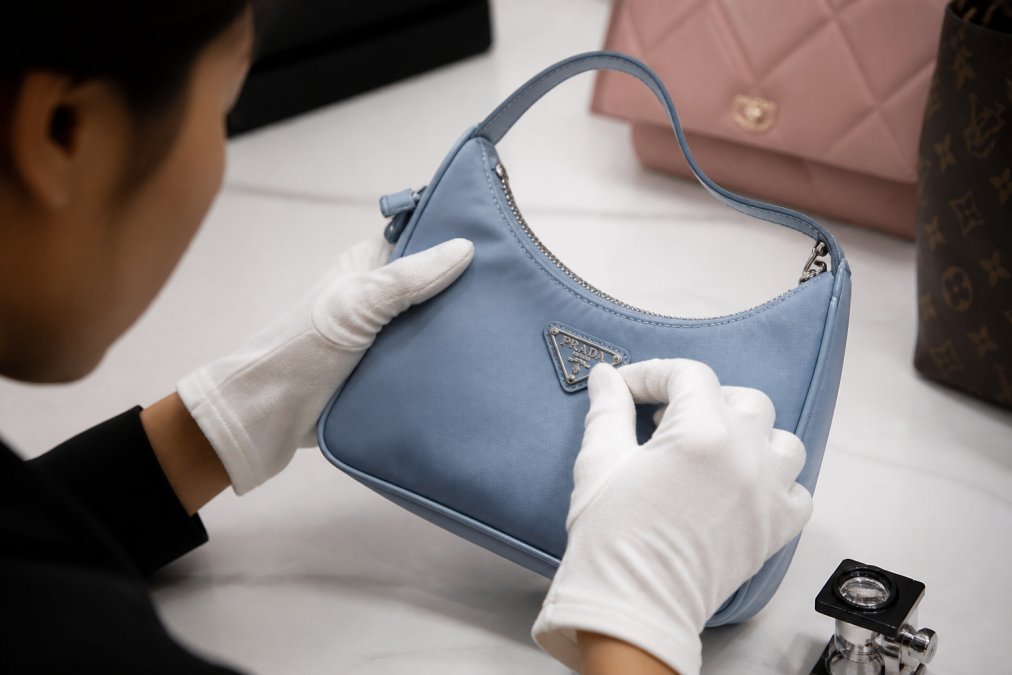
Leather Quality and Material Authenticity
Authentic luxury bags use full-grain or top-grain leathers that develop a distinctive patina over time. Counterfeit versions typically use corrected-grain leather, bonded leather, or synthetic materials that mimic genuine hides but feel noticeably different. Genuine lambskin, like that used in a Chanel Classic Flap, has a subtle give and warmth. Synthetic materials feel cooler, stiffer, and often have an artificially uniform texture.
Leather grain on authentic bags is irregular in a natural way. Counterfeits often show a repeating, stamped pattern that looks too consistent under close inspection. Edge coating on genuine pieces sits cleanly; on fakes, it tends to peel or crack within months of use. Genuine leather has a distinctive, organic scent. Many counterfeit bags carry a chemical or plastic odor from adhesives and synthetic coatings.
Logo Alignment, Font Consistency, and Brand Markings
Logo alignment is one of the most reliable indicators of authenticity across virtually every major luxury brand. On a Louis Vuitton Monogram piece, the pattern should align precisely at seams, with the LV initials never cut in half at a pocket edge or strap junction. Counterfeits frequently show misaligned monogram patterns at stress points.

Font consistency is equally revealing. The typeface used in heat stamps, embossed text, and printed labels follows precise specifications for each brand and era. Letters should be evenly spaced, uniformly weighted, and sharply defined. A blurry, slightly uneven, or inconsistently spaced font is a significant warning sign. Brand markings on the exterior, interior, and hardware should all use identical typography.
How to Spot Fake Designer Bags by Examining Hardware and Stitching
The construction details that counterfeiters find most difficult to replicate accurately are hardware finishing and stitching consistency.
Hardware, Zippers, and Clasps
Authentic luxury hardware is typically made from brass or other solid base metals with a plated finish. The weight is noticeable: genuine hardware feels substantial, while counterfeit hardware is often lighter, indicating hollow or lower-quality metal. Plating on authentic pieces is applied evenly and resists tarnishing. Counterfeit hardware frequently shows uneven plating, visible base metal at edges, or early tarnishing.
Zipper pulls deserve specific attention. Authentic brands partner with premium zipper manufacturers, and the pull should move smoothly without resistance. The brand name or logo on a zipper pull should be crisp and correctly oriented. On many counterfeits, the zipper pull logo is blurred, inverted, or uses incorrect typography. Clasp mechanisms should engage with a clean, firm click. Loose, rattling, or imprecise clasps indicate lower manufacturing tolerances.
Stitching Patterns and Interior Lining
Stitching on authentic luxury bags is one of the most telling indicators of craftsmanship. Major houses specify exact stitch counts per centimeter for each model, and these specifications are enforced through quality control. Authentic stitching is perfectly even, with consistent tension throughout. Counterfeit stitching frequently shows variable spacing, uneven tension, or thread ends that are not properly secured.
Interior lining quality is a common shortcut in counterfeit production. Authentic linings use specific fabrics, often with woven brand patterns, and are attached with precise seam allowances. Counterfeit linings may be glued rather than sewn, show puckering at seams, or use fabric with noticeably different texture or sheen.
How to Check Designer Bag Serial Numbers and Date Codes
Serial numbers and date codes are among the most misunderstood elements of luxury bag authentication. A serial number confirms that a bag was produced, but it does not confirm that the specific bag in hand is the genuine article. Counterfeiters copy serial numbers from authentic bags and apply them to fakes.
Each major brand uses a different serial number and date code system, and these systems have changed over time. Louis Vuitton date codes, for example, encode the factory location and production week and year using a specific alphanumeric format that has evolved across several distinct eras. A date code formatted in a style that predates or postdates the bag's apparent age is a clear inconsistency. According to the U.S. Government Accountability Office report on intellectual property enforcement, counterfeit luxury goods often contain documentation that appears legitimate on casual inspection but fails under expert scrutiny.

The placement of serial numbers matters as much as their content. Authentic bags have serial numbers in specific locations that vary by brand and model. A number stamped in the wrong location, or applied with inconsistent depth or clarity, warrants further investigation. Date codes should align with the hardware, leather type, and other design details present on the bag.
Packaging, Dust Bags, and Care Labels
Packaging is not proof of authenticity, but it is a useful supplementary check. Authentic luxury bags arrive with dust bags made from specific materials, typically a woven cotton or flannel blend, with drawstring closures and brand markings applied with precision. Counterfeit dust bags often use lower-quality fabric, show imprecise logo printing, or have drawstrings that are too thin or poorly finished.
Authentic boxes use high-quality card stock with consistent color, precise printing, and clean edges. Care labels and manufacturing labels inside the bag provide additional data points. Authentic labels specify materials, country of manufacture, and care instructions using precise typography and placement. Care labels on counterfeit bags frequently show font inconsistencies, incorrect material compositions, or placement that differs from documented authentic examples.
Luxury Handbag Authentication Services and Digital Tools
Professional luxury handbag authentication services have become an essential resource for anyone purchasing pre-owned designer goods. Visual inspection, even by experienced collectors, has genuine limits against high-quality super fakes. Third-party authentication provides an independent, documented verification that protects buyers and sellers alike.
Several reputable services operate in the US market. Entrupy uses AI-powered microscopic image analysis across more than 20 luxury brands. Real Authentication combines human expert review with AI quality assurance and offers turnaround options ranging from one hour to 24 hours, along with official Certificates of Authenticity. LegitGrails covers more than 550 brands and offers a hybrid human-plus-AI approach with results in as little as 30 minutes. For Chanel specialists, other authenticators may provide detailed certificates with QR code verification and in-house inspection for microchipped pieces. The PurseForum's "Authenticate This" threads offer community-driven assessments from experienced collectors, though these represent opinions rather than certified documentation.
Digital authentication tools now allow buyers to submit high-resolution photos and receive expert-reviewed results within hours. The practical limitation is that results depend heavily on photo quality: clear, well-lit images of all relevant details are required for accurate analysis.
| Service | Approach | Best For | Turnaround |
|---|---|---|---|
| Entrupy | AI microscopic analysis | Resellers, high volume | Same day |
| Real Authentication | Human + AI hybrid | Individuals, dispute support | 1-24 hours |
| LegitGrails | Human + AI hybrid | Wide brand range | 30 min - 12 hours |
| Other specialist authenticators | Specialist human | Chanel-specific | Varies |
| PurseForum | Community opinion | Free preliminary check | Variable |
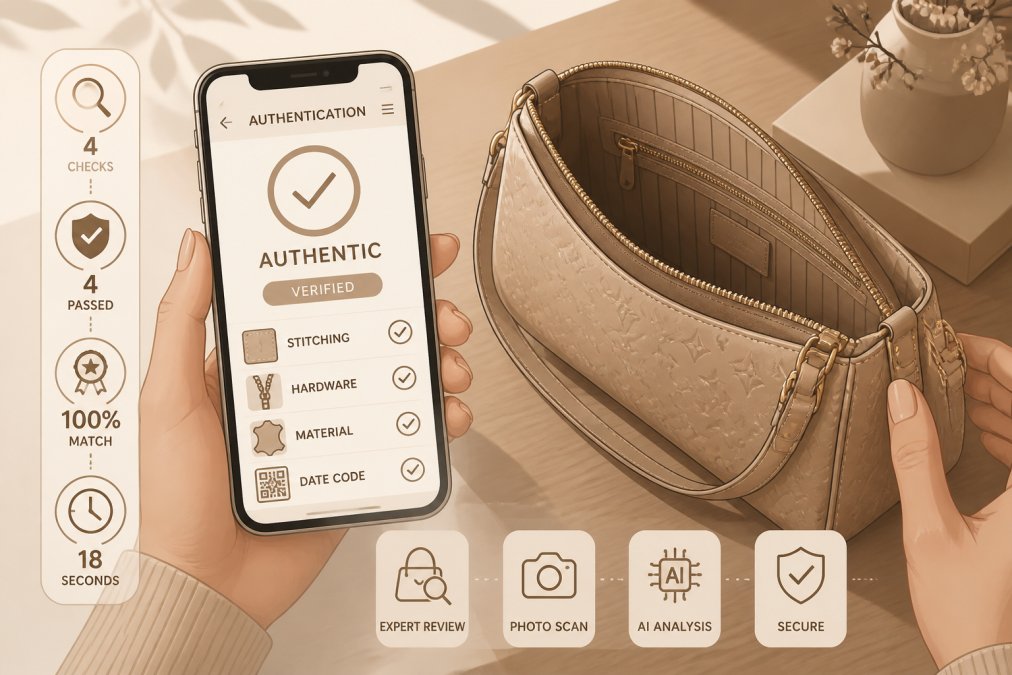
The rise of super fakes makes third-party authentication less optional and more standard practice for any purchase above a few hundred dollars. As documented in the International Trademark Association's counterfeiting resources, the sophistication of counterfeit luxury goods has increased substantially in recent years, making expert verification the most reliable safeguard available to consumers.
The Best Ways to Spot Fake Designer Bags: Legal Risks and Where to Buy Safe
Purchasing counterfeit goods carries genuine legal and ethical implications. Under US federal law, knowingly purchasing counterfeit trademarked goods can expose buyers to civil liability, and importing counterfeits is a federal offense. The U.S. Department of Justice intellectual property enforcement overview notes that counterfeit luxury goods often fund broader criminal networks.
Return policies and dispute resolution are practical considerations that many buyers overlook. When purchasing from an unauthorized seller or unverified marketplace, recourse for authenticity disputes is often limited. Credit card chargebacks and platform-specific buyer protection programs offer some protection, but they require documentation: authentication certificates from recognized services are the most effective supporting evidence for disputes.
The safest approach to avoiding counterfeits is purchasing from sources that provide verified authentication guarantees. Steyn Atelier carries 100% authenticity guaranteed on every piece in its curated collection, with expertise shaped by years of experience in leather craftsmanship and luxury goods assessment. For collectors seeking authenticated pre-owned pieces, examples of the caliber of pre-owned pieces available with full provenance confidence include the Louis Vuitton Monogram Empreinte Pochette Métis East West in red leather ($1,800.00) and the Louis Vuitton Twist MM in dark grey Epi leather ($3,295.00). The Chanel Classic Flap Bag in black lambskin ($5,800.00) represents exactly the kind of piece where authentication depth matters most.

A practical authentication checklist for any pre-owned purchase:
- Verify leather grain, texture, and edge finishing match documented authentic examples
- Confirm logo alignment at all seams and pocket edges
- Check font consistency across all brand markings, interior labels, and hardware
- Assess hardware weight, plating quality, and zipper pull precision
- Examine stitching count, tension, and thread direction for consistency
- Inspect interior lining attachment, fabric quality, and seam finishing
- Cross-reference serial number format and placement against production records
- Verify date code consistency with hardware and design details present
- Evaluate dust bag and packaging as supplementary (not primary) indicators
- Obtain third-party authentication documentation for purchases above a few hundred dollars
The counterfeit market will continue to evolve. Staying ahead of it requires treating authentication as a process rather than a single check.
Identifying a counterfeit luxury bag with confidence requires more than a quick glance at the logo. The sophistication of modern super fakes means that collectors need a layered approach: physical inspection across materials, hardware, stitching, and serial numbers, supported by professional authentication documentation. For those who want to skip the uncertainty entirely, Steyn Atelier's curated collection of authenticated luxury handbags offers 100% authenticity guaranteed on every purchase, backed by deep expertise in leather craftsmanship. Browse the current collection of designer handbags at Steyn Atelier and acquire with complete confidence.
Frequently Asked Questions
What are the most common signs of a counterfeit luxury bag?
The most common signs of counterfeit luxury goods include uneven or skipped stitching, lightweight or base-metal hardware that lacks the weight of solid brass, misaligned logos and inconsistent font spacing, synthetic or stiff leather that lacks natural grain and patina, and serial numbers that are poorly stamped or do not match the brand's known format. Packaging irregularities, such as missing dust bags or low-quality care labels, are also reliable red flags. Authentic luxury craftsmanship is consistent down to the smallest interior detail.
How do I check the serial number on a designer handbag?
Each major luxury house uses a distinct serial number or date code system. Louis Vuitton embosses date codes on interior leather tabs indicating the factory and production date. Chanel uses hologram stickers with sequential numbers. Gucci stamps serial numbers on interior leather patches. To verify, photograph the code clearly and cross-reference it against brand-specific guides or submit it to a professional authentication service. A mismatched, missing, or poorly stamped serial number is one of the strongest indicators of a counterfeit bag.
Why are 'super fakes' becoming harder to identify?
Super fakes are high-quality counterfeits produced with better materials and more accurate construction than standard fakes. Counterfeit manufacturers now study authentic bags in detail, replicating correct hardware weight, accurate stitching counts, and even hologram stickers. Some super fakes pass casual visual inspection entirely. This is why professional luxury handbag authentication services, which combine trained human experts with AI-powered analysis, have become essential for high-value purchases. Relying on a single visual check is no longer sufficient for bags priced in the thousands.
Do designer bags always come with an authenticity card?
Not all luxury brands include authenticity cards. Chanel historically included numbered authenticity cards matched to a hologram sticker, though the brand transitioned to microchips embedded in newer bags. Louis Vuitton does not issue authenticity cards. Hermes and Bottega Veneta similarly do not rely on cards as proof of authenticity. The presence or absence of a card should never be the sole verification method. Counterfeiters routinely produce fake cards, so authentication must always involve inspecting the bag itself alongside any included documentation.